
Uncovering the Hidden Threat: How Seepage Affects Your Home and Choosing Water-Resistant Materials for Your Modular Kitchen
- SILA

- Jan 9, 2025
- 4 min read
Seepage is more than just an inconvenience; it can be a serious threat hiding in your home. From unattractive stains to severe structural damage, the consequences of water seepage can be extensive. Homeowners, especially those with modular kitchens, must understand this issue and take steps to protect their space with suitable materials. In this post, we will explore seepage, its damaging effects, and how to select water-resistant materials that can endure moisture in your modular kitchen.
Understanding Seepage and Its Effects
Seepage happens when water enters a structure through cracks, gaps, or porous materials. Various factors can contribute to this issue, such as heavy rainfall, leaky pipes, or poor drainage systems. Water accumulation can encourage mold or mildew growth and harm indoor air quality, which negatively impacts your health.
In homes, the effects of seepage can manifest in alarming ways. For instance, a study found that about 30% of homes experience mold growth due to water infiltration. Walls may develop stains, paint can start peeling, and the overall structural integrity can suffer, leading to repair costs that may exceed thousands of dollars. In kitchens—where moisture levels are particularly high—seepage is an even greater concern.
The Importance of Water-Resistant Materials
Choosing water-resistant materials for your modular kitchen is essential for reducing the risk of damage tied to seepage. Not all materials can withstand moisture, and some materials offer better protection than others.
Benefits of Water-Resistant Materials
Durability: Water-resistant materials generally last longer since they resist moisture-related deterioration. For instance, kitchen countertops made from high-quality waterproof laminate can last up to 15 years with proper care.
Ease of Maintenance: Surfaces that repel water are simpler to clean. This is critical in kitchens, where spills and splashes are common. For example, a quick wipe with a damp cloth is often all it takes to keep waterproof laminate looking great.
Health Benefits: Reducing the risk of mold and mildew leads to a healthier living environment. Mold exposure can trigger allergy symptoms in 10% to 30% of people, according to health experts.
Retaining Aesthetics: Advances in water-resistant materials allow you to enjoy beautiful designs without sacrificing functionality. From elegant quartz countertops to chic PVC panels, stylish options are available that also offer moisture resistance.
Key Water-Resistant Materials for Your Modular Kitchen
Consider these popular water-resistant materials for your modular kitchen:
1. Waterproof Laminate
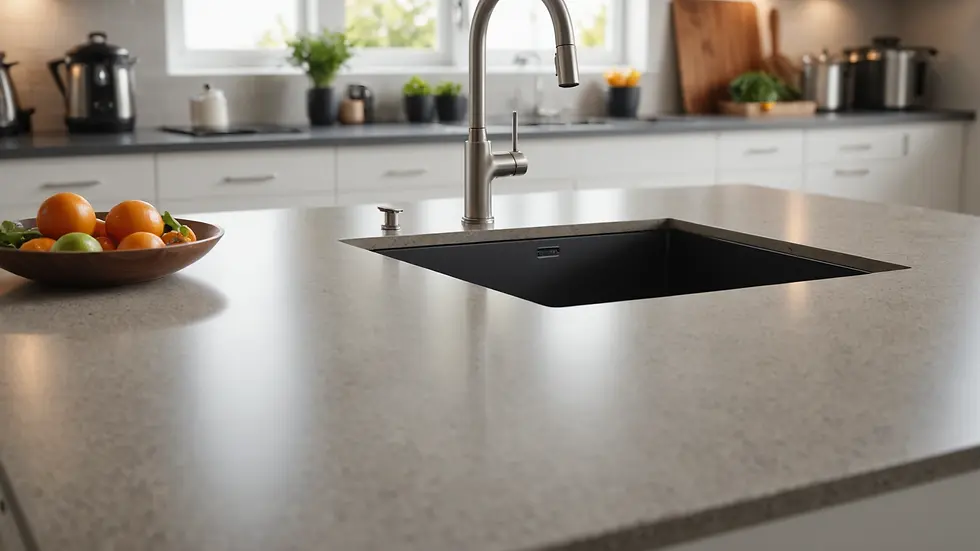
Waterproof laminate is a fantastic option for kitchen countertops. It replicates the look of wood or stone while offering high moisture resistance. The non-porous surface helps keep your kitchen hygienic and stain-free.
2. PVC Panels
PVC (polyvinyl chloride) panels are light, durable, and completely waterproof. These panels are perfect for backsplashes or wall coverings and come in a variety of designs. They enhance the kitchen's look while protecting against moisture damage.
3. Quartz Countertops
Unlike natural stone, which can be porous, quartz is engineered and non-porous, making it waterproof. Its resistance to stains and scratches makes it suitable for busy kitchens. Some manufacturers claim quartz can last over 25 years with proper maintenance.
Dealing with Existing Seepage Problems
If seepage is already affecting your modular kitchen, addressing the issue promptly is essential. Here are some immediate actions you can take:
Identify the Source: Look for visible water intrusion signs, such as damp spots or bubbling paint, and try to locate their origin. Areas around sinks and dishwashers are often the most affected.
Seal Cracks: Utilize waterproof sealants to close visible cracks in walls or floors. This simple step can help keep more moisture out.
Improve Drainage: Make sure that downspouts and gutters redirect water away from the home's foundation. Adequate drainage can significantly lower the risk of seepage.
Consult a Professional: If seepage persists, it might be best to seek help from a waterproofing contractor who can evaluate your situation and provide effective solutions.
Prevention Tips for Seepage in Your Modular Kitchen
Taking preventive measures is always wiser than trying to remedy problems later. Here are practical tips to help you avoid seepage in your modular kitchen:
Regular Inspections: Consistently check for signs of moisture, particularly in areas prone to water, such as near the sink or refrigerator. Early detection can save you from bigger issues later.
Proper Ventilation: Make sure your kitchen has adequate ventilation to decrease humidity. Installing exhaust fans can effectively remove excess moisture from the air.
Water-Resistant Paint: Choosing water-resistant paint for kitchen walls can provide an extra layer of protection against moisture.
Routine Maintenance: Regularly inspect and replace any damaged seals or caulk around sinks, countertops, and appliances to keep moisture at bay.
Safeguarding Your Kitchen from Seepage
The problem of seepage is a hidden risk that can lead to severe consequences for your home and your health. In a modular kitchen, which often sees a lot of hustle and bustle, careful material selection and moisture management are key. By opting for the right water-resistant materials and proactively addressing existing seepage concerns, you can shield your investment and create a safe, inviting kitchen space.
Taking these steps will not only offer peace of mind but also ensure a functional and aesthetically pleasing area to enjoy cooking and spending time with family and friends. Remember, being informed and prepared can make a significant difference in maintaining your home’s integrity.


Comments